


.png)
Communications
Strong People, Strong Union: Why Social Capital Is Everything
"Social capital" sounds academic, but it's nothing more than the networks and trust that let people get things done together. Oxford calls it "the networks of relationships among people who live and work in a particular society, enabling that society to function effectively." In plain terms: who you know, how you trust them, and how you work together.
For organized labor organizations, social capital is not a nice-to-have. It's the foundation the entire movement was built on. Collective bargaining only works when people trust each other enough to stand together. That doesn't mean everyone has to like each other — it means they have to be willing to set differences aside and work together to advance the common good. Decades of experience taught me that the strongest locals and labor organizations invest in relationships as intentionally as they invest in contract language and grievance procedures.
Three Kinds of Social Capital (And Why Each Matters for Labor)
- Bonding social capital: the close ties among members of the same local, trade, or shop floor. This is where solidarity lives — the trust built on shared working conditions and the knowledge that your brother or sister member has your back. It provides emotional support, shared identity, and the cohesion needed to hold a line when things get tough. But it can calcify into insularity if leadership isn't intentional about welcoming new members, younger workers, and underrepresented voices.
- Bridging social capital: connections across different locals, trades, industries, and community groups. Bridging brings coalition power — the ability to link a police officers' union with a sheet metal workers' union with an electrical workers' union around shared goals like wages, benefits, or workplace safety. It fuels innovation, political momentum, and the cross-pollination of organizing strategies that keep the labor movement relevant.
- Linking social capital: relationships with people in positions of authority or influence — elected officials, regulatory bodies, community leaders, and allied organizations. Linking unlocks legislative wins, funding streams, and policy support that no single local could secure on its own. It's how labor gets a seat at the table where decisions are made.
Digital Outreach Isn't a Replacement — It's a Force Multiplier
Social media and digital tools aren't just for press releases and event flyers. Used well, they create new pathways for bonding, bridging, and linking social capital across labor organizations:
- Build online communities: private member groups, retiree networks, and cross-local forums let workers stay connected, share contract language, compare workplace conditions, and pass along hard-won organizing knowledge — regardless of geography or shift schedule.
- Share resources and recognition: posting members' milestones, spotlighting stewards, and publicly thanking the families who sacrifice alongside working members build trust and signal what the organization truly values.
- Spark cross-group conversations: thoughtful online discussion can connect different trades, industries, and community allies — widening perspectives and opening doors for coalition campaigns that no single union could run alone.
- Crowdsource and coordinate: digital platforms accelerate volunteer phone banks, voter mobilization, and community-driven initiatives that strengthen ties between the union and the broader public it serves.
Practical Steps To Grow Social Capital in Your Labor Organization
- Start with recognition that includes families. Union careers — especially in trades and shift work — require sacrifices from spouses, kids, and extended networks. Invite them to meetings, thank them at events, and give them a visible role in milestone celebrations. That investment keeps the support system around your members strong.
- Create structured onboarding that pairs new members with mentors. Mentorship transmits the culture, history, and tacit knowledge of the labor movement — and it builds both bonding and linking capital from day one. A new apprentice who feels welcomed and guided is a member for life.
- Use social channels for real connection, not just announcements. Highlight rank-and-file stories, run Q&As with leadership, and promote community events that bring members and allies together in person. Authentic engagement builds trust; one-way broadcasting does not.
- Build bridges with other unions and community organizations before you need them. Joint rallies, shared training, mutual aid agreements, and simple social visits between locals pay enormous dividends during contract fights, organizing drives, or political campaigns.
- Maintain relationships with retirees and alumni. Their institutional memory, willingness to mentor, and deep community ties are irreplaceable assets. Prioritize ongoing wraparound supports to keep those connections productive — retired members who stay engaged strengthen the organization for everyone who follows.
- Track outcomes, not just activity. Celebrate the wins that came from relationship-driven efforts: a successful coalition campaign, smoother contract negotiations, improved member retention, new political allies secured through trusted advocates, or a grievance won because a steward had the right relationships in place.
Why This Matters Long-Term
Contracts and bylaws matter — they protect workers and define rights. But contracts that ignore the human relationships underneath them are brittle. Social capital makes labor organizations resilient: it replaces single points of failure with networks of mutual support, spreads institutional knowledge across generations of members, and draws in coalition power that a contract clause alone can't deliver. The labor movement has always understood this at its core — solidarity is social capital by another name.
If your organization wants to strengthen these relational assets, think beyond one-off rallies and annual dinners. Plan for continuous member recognition, wraparound supports for workers and their families, mentorship programs that bridge generations, and intentional digital outreach that drives real-world connection and collective action. Invest in people first, and the processes — the contracts, the campaigns, the organizing wins — will follow in service of a stronger, more resilient labor movement.
Want help building social capital in your labor organization? NEP Services specializes in recognition programs, wraparound supports, and practical strategies that put people first. Visit https://www.nepservices.com/ to learn more.
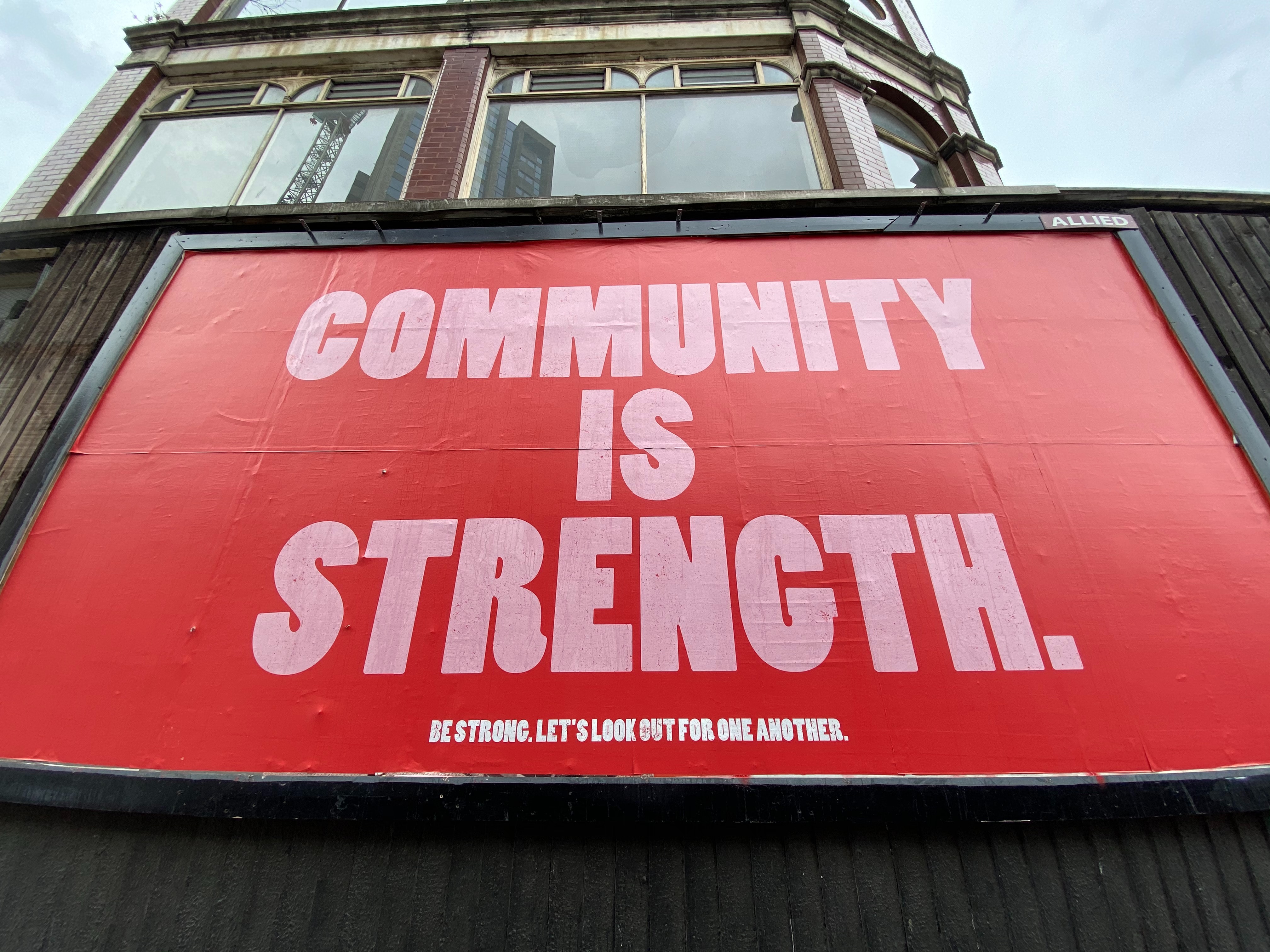
Photo by John Cameron on Unsplash.
Jim Aleski is a nearly 30-year fire service veteran and career engine company Lieutenant in the Philadelphia metro area. Jim serves as a Branding and Content Specialist at NEP Services and formerly served as the Communications/Social Media Director for the Professional Firefighters Association of New Jersey (PFANJ), the state affiliate of the International Association of Fire Fighters (IAFF). Prior to becoming a career firefighter, Jim responded as a volunteer while working for more than a decade as a media producer. Jim was involved in the production of hundreds of national TV commercials, network branding campaigns, music videos, and corporate communication projects. Jim holds a BS in Mass Communications from Emerson College and earned a MS in Fire and Emergency Management Administration from Oklahoma State University.
Tags:
Categories
Helpful Links
Promote Your Business

Subscribe
Copyright © NEP Nation