


.png)
Leadership
The Three Legs of Stability: Mission, Vision, & Brand
Every organization needs a "what" and a "why."
Whether you're a building trades local, a firefighter's union, a police association, or a community non-profit, the people who run the operation — and the members who fuel it — need to know what they're there to accomplish. The most common starting point with this is a mission statement.
A mission statement is a short message that lays out what your organization does, who it serves, its goals, and how it plans to reach them. It keeps everyone pulling in the same direction. A good one gives every member — from the apprentice on the jobsite to the e-board member in the union hall — a clear sense of purpose and how they fit into the bigger picture.
Then there's the vision statement. While a mission statement defines what you are today, a vision statement says where you're headed. Vision statements drive long-term strategic plans and attract like-minded people who want to be part of something bigger — the kind of members who show up at meetings, volunteer for committees, and put in the work when it counts.
Mission and vision statements are strong legs to stand on. But how do you know if they're actually working?
Measuring success when there's no bottom line
Labor unions and nonprofits don't have quarterly earnings reports. Your resources come from dues, donations, grants, and the sweat equity of your members. You can point to successful contract negotiations, grievance wins, training completions, or community impact numbers — but data alone doesn't tell the full story. A construction trades local can graduate a hundred apprentices a year, but if journey-workers on the jobsite don't feel the union has their back, those numbers ring hollow.
That's where the third leg comes in - your brand.
Your brand is what your stakeholders think you are
You can write the most inspiring mission statement in the world, but your brand isn't what you say about yourself — it's what your members, community partners, elected officials, and the public believe about you.
For a building trades council, your stakeholders are the members paying dues, the contractors bidding union jobs, the developers considering project labor agreements, and the community watching whether your projects deliver quality and fairness. For a nonprofit, it's your donors, volunteers, beneficiaries, and the public whose trust you depend on.
If your members think they're getting poor value for their dues, you'll have a hard time keeping people involved. If the community sees your organization as irrelevant or self-serving, good luck building the coalitions you need.
Trust is never finished — you have to build it every single day
Here's the uncomfortable truth: virtually nobody out there is thinking about you. Most union members aren't sitting around reflecting on what their local does for them. Most community members aren't tracking your non-profit's impact. They're busy living their lives.
That means you can't coast on a good contract cycle or a successful fundraiser from last year. Trust is built through constant, visible engagement — not occasional newsletters or an annual banquet. Every organization, no matter how strong its history, must work relentlessly to earn and re-earn the trust of its stakeholders.
Construction trade unions understand this instinctively. Trust on a jobsite is built one day at a time — showing up, doing quality work, looking out for the crew, training the next generation. The same principle applies to how your organization communicates with its members and the public. You need to get out there, tell your story, elicit feedback, and show people — constantly — that they're getting value for what they invest.
This process is called branding. And just like delivering on your mission takes constant work, so does telling the story of that work.
You have stories to tell — turn them into content
If you're living your mission, you have plenty of material. Your members are doing remarkable things: completing apprenticeships, winning arbitrations, volunteering in the community, mentoring the next generation, building landmarks that will stand for decades. But those stories need to be captured, shaped into content, and put in front of the right people.
That takes effort. You're not just competing with other unions or nonprofits for attention — you're competing with Netflix, social media influencers, and every other distraction fighting for a slice of your members' limited time.
The good news? You probably have talent in-house. Your younger members may approach the craft differently than previous generations, but some of them are sharp with social platforms and digital tools. And don't forget your senior members, either. Maybe someone has been shooting photography as a hobby for thirty years, or someone on the crew edits video for their church or kid's sports team. That's organic storytelling talent sitting right in your organization — tap it. These people can capture the real moments that build trust and connection far better than any outside contractor. Put them to work telling your story.
And make no mistake — the people competing for the same resources, political support, and public goodwill you need are already doing this. Adverse PACs, rival community organizations, and anti-union interests are telling their stories every day. If you're not telling yours, someone else is filling that silence for you.
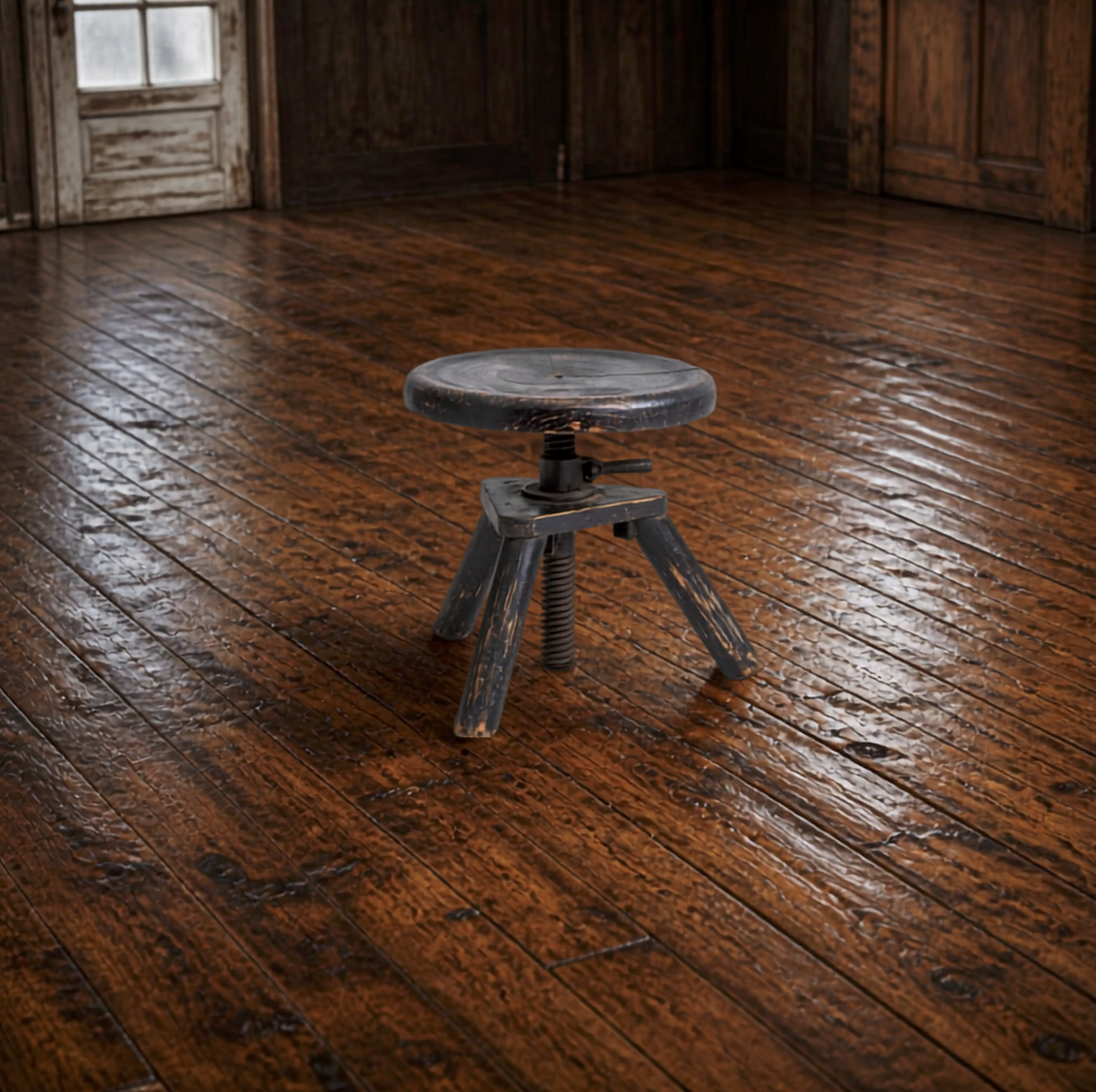
Mission. Vision. Brand. Three legs, one stool.
To get things done in your organization, you need to know who you are, where you're going, and what the people you serve actually think of you. Remove any one of those legs and the stool tips over.
- Mission — what you do and why.
- Vision — where you're headed.
- Brand — what your stakeholders believe about you, built through constant trust and engagement.
A two-legged stool doesn't stand. Neither does an organization that writes a great mission statement but never checks whether its members and community actually buy in. Figure out where you are, decide where you're going, and then do the daily work of making sure everyone else sees it too.
Trust isn't a milestone — it's a practice. Start today and never stop.
Jim Aleski is a nearly 30-year fire service veteran and career engine company Lieutenant in the Philadelphia metro area. Jim serves as a Branding and Content Specialist at NEP Services and formerly served as the Communications/Social Media Director for the Professional Firefighters Association of New Jersey (PFANJ), the state affiliate of the International Association of Fire Fighters (IAFF). Prior to becoming a career firefighter, Jim responded as a volunteer while working for more than a decade as a media producer. Jim was involved in the production of hundreds of national TV commercials, network branding campaigns, music videos, and corporate communication projects. Jim holds a BS in Mass Communications from Emerson College and earned a MS in Fire and Emergency Management Administration from Oklahoma State University.
Tags:
Categories
Helpful Links
Promote Your Business

Subscribe
Copyright © NEP Nation